When the Bus Stops and Your Phone Lights Up

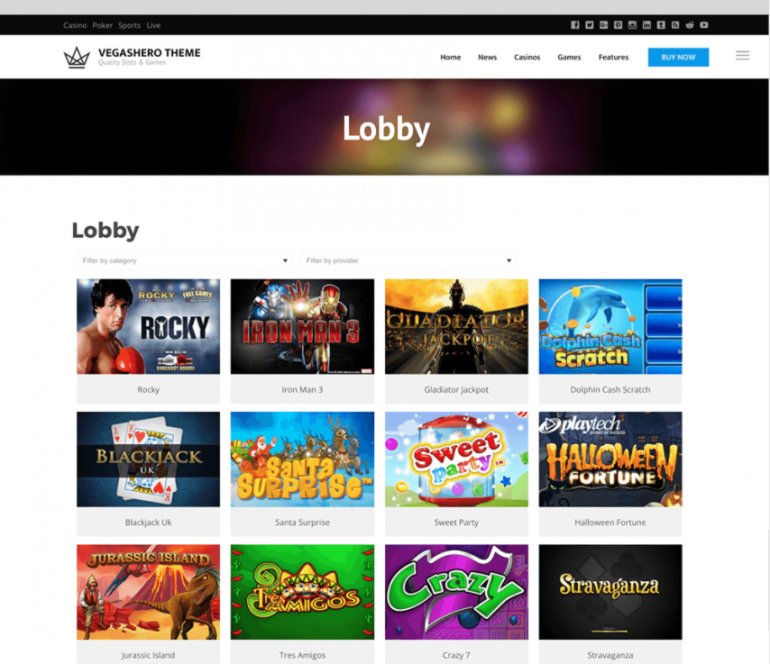
Three days ago I was stuck in a London bus for thirty minutes. The driver’s voice crackled over the speakers, “We’re experiencing a slight delay.” I pulled out my phone, opened a puzzle game, and before the bus reached the next stop I had solved a level that would have taken me an hour on a desktop. That simple moment made me think: what if the whole of UK entertainment could be squeezed into a screen that fits in a pocket?
Screen Size Isn’t the Only Game Changer
In the past decade, the average UK smartphone has moved from 4.7 inches to 6.7 inches, and the processor has tripled in speed. Developers can now deliver graphics that rival console titles. For instance, Genshin Impact runs at 60 frames per second on a Snapdragon 888, and the game’s launch on Android was accompanied by a 40% increase in daily active users in the first week.
But raw hardware isn’t the only factor. Mobile operating systems now support split‑screen mode, allowing a user to play a game while browsing news or streaming a podcast. This multitasking capability means entertainment can be layered over everyday routines, not just dedicated leisure time.
Monetisation Models That Fit the Lifestyle
Free‑to‑play with in‑app purchases has become the norm. A 2023 report from the UK Digital Games Association found that 68% of mobile gamers spend more than £10 a month on microtransactions. That’s a shift from the traditional “buy‑once” model that dominated console and PC gaming. The result? Developers can iterate faster, releasing new content every two weeks, keeping players engaged without the pressure of a full purchase.
However, the same model can be a double‑edged sword. Players who are new to the platform may feel pressured to spend early on to stay competitive. The best practice for developers is to offer a clear path to progression without mandatory spending, and for players to set a budget before opening an app.
If you’re craving a mix of skill and chance, this link leads to a local boxing club that also hosts online casino-style betting.
Social Integration Turns Solo Play into Community Events
Most mobile games now integrate with social media and messaging apps. A 2022 survey by the UK Social Media Association showed that 54% of gamers share their high scores on Facebook or Twitter within 24 hours of achieving them. In addition, cross‑platform leaderboards let friends compare scores regardless of device, turning a solitary pastime into a friendly rivalry.
For those who prefer a more immersive social experience, live‑streaming platforms like Twitch have added mobile support. A streamer can broadcast a gameplay session directly from an iPhone, reaching an audience that is already on the go. This convergence of gaming and live content has created a new niche for influencers who monetize through sponsorships and fan donations.
From Board Games to Brick‑and‑Mortar: The Physical‑Digital Hybrid
Board game publishers have started releasing companion apps that digitise rulebooks, score trackers, and even AI opponents. The UK board game market grew by 12% in 2021, and a 2024 study found that 37% of players used a mobile app to supplement their tabletop experience. This hybrid model keeps the tactile joy of a physical game while adding the convenience of digital assistance.
How Mobile Gaming Is Revolutionizing Entertainment in the UK
When you’re on a train, a game can transform a 45‑minute commute into a 15‑minute escape. When you’re at a pub, a multiplayer match can turn a casual night out into an impromptu tournament. The flexibility of mobile gaming means that entertainment is no longer confined to a specific place or time. It follows you, adapts to your routine, and can even integrate with other forms of leisure, such as watching a film or listening to music.
Beyond Games: The Broader Entertainment Ecosystem
Mobile platforms are becoming hubs for a range of content: short‑form videos, interactive stories, and even virtual reality experiences that can be experienced through a headset that attaches to a phone. This convergence is blurring the lines between gaming, streaming, and social networking. The result is an entertainment ecosystem that is more interconnected than ever before.
Looking Ahead: What’s Next for Mobile Entertainment?
5G rollout across the UK is set to reduce latency to under 30 milliseconds, making real‑time multiplayer games smoother and more responsive. Cloud gaming services, such as Google Stadia and Xbox Cloud Gaming, are already offering console‑grade titles on mobile devices, eliminating the need for expensive hardware.
At the same time, regulatory bodies are tightening data privacy rules, which means developers will need to be more transparent about how they collect and use player data. Players, in turn, are becoming more savvy, demanding clearer privacy policies and opting out of data sharing when possible.
Conclusion
Mobile gaming has moved beyond casual, pick‑up titles. It has become a versatile platform that supports high‑quality graphics, social interaction, and even hybrid physical‑digital experiences. For the UK, this means entertainment is no longer a fixed activity; it’s a fluid, on‑demand service that fits into the rhythm of modern life. Whether you’re a casual player, a competitive gamer, or someone who simply enjoys a quick distraction, the mobile experience offers something for everyone.
Frequently Asked Questions
How does a phone compete with a TV for entertainment?
Phones offer portability, personalized content libraries, and interactive features that TVs lack, making them a convenient alternative for on‑the‑go viewers.
Is the quality of content on mobile devices good enough?
Modern smartphones support high‑resolution streaming, adaptive bitrate, and immersive audio, delivering a viewing experience close to that of larger screens.
What types of entertainment are best suited for mobile?
Games, short-form videos, podcasts, and streaming services that offer bite‑size content thrive on mobile, while longer dramas still benefit from larger displays.